




Introduction: Why Best Practice for Packing Specialty Items Matter
When preparing for a move, packing your belongings properly is crucial. Especially when it comes to specialty items, the right approach can make all the difference between arriving at your new home with everything intact or facing costly damages. Whether it’s antiques, electronics, or delicate artwork, knowing the best practice for packing specialty items is essential to ensure their safety during transit.
In this article, we’ll walk you through expert tips and techniques to pack these fragile and valuable belongings. We will also cover some common mistakes to avoid and how you can guarantee a smooth relocation.
Before diving into the best practices for packing specialty items, it’s crucial to first understand how to organize your items efficiently. For a detailed guide on how to get started with organizing your belongings, check out our post on how to organize items for packing. By following these packing tips, you’ll be able to protect your specialty items and make your moving experience worry-free.
Key Tips for Packing Specialty Items Safely
Packing specialty items can be more complex than your standard boxes of clothes or kitchenware. However, with a few best practice for packing specialty items, you can avoid damage and ensure their safety. Here are some key steps to follow:
Invest in the Right Packing Materials
One of the first steps in packing specialty items is using the appropriate materials. Regular cardboard boxes simply won’t suffice when dealing with fragile or high-value items. Consider using double-walled boxes, custom crates, or padded containers, especially for glass, fine china, or electronics.
Bubble wrap, foam peanuts, and packing paper are essential for cushioning these items. For high-value specialty items like jewelry, electronics, or antiques, you may also want to use anti-static wraps or moisture-absorbing materials to prevent further damage. By following the best practice for packing specialty items, you’ll ensure they are properly secured during the move.
Label Boxes Clearly
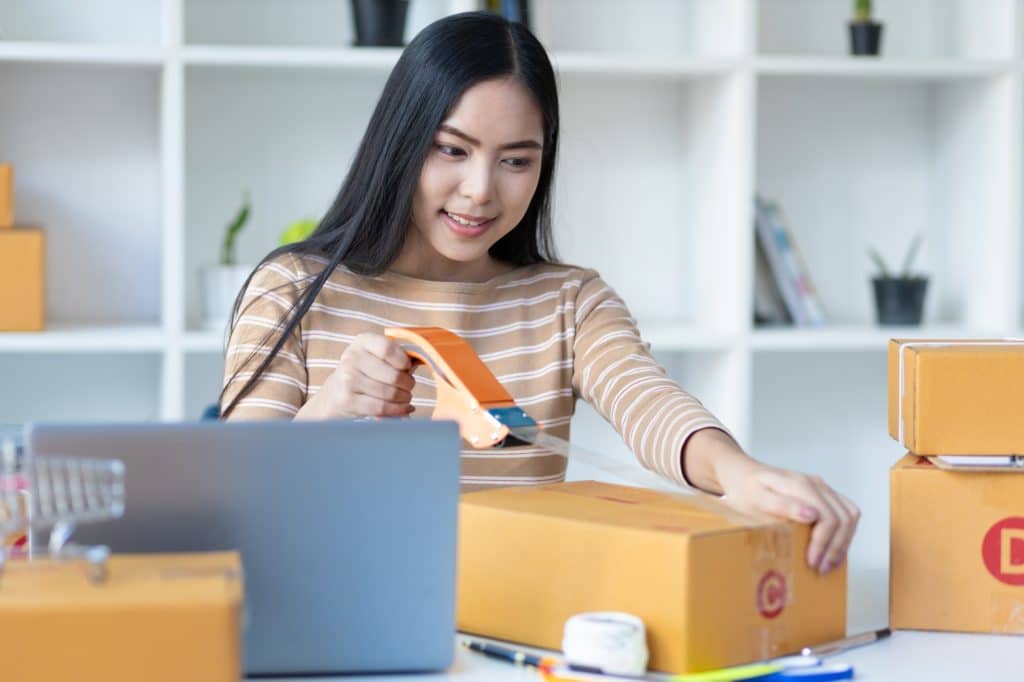
When you’re packing specialty items, clarity is key. Label each box or crate with the contents and the instructions on handling (e.g., “Fragile” or “This Side Up”). This ensures that the movers will be extra careful with these items during the move.
Clear labeling also helps you when unpacking, allowing you to prioritize which boxes to unpack first based on the fragility or importance of the items inside. The best practice for packing specialty items also involves these clear labels so you know exactly which boxes to handle with the most care.
Best Practice for Packing Specific Types of Specialty Items
Each type of specialty item requires its own set of best practices. Let’s take a closer look at the best practice for packing specialty items based on category.
Packing Electronics and Fragile Equipment
Electronics are one of the most sensitive items during a move. It’s important to pack them in their original packaging if possible. This packaging is often designed to fit the item snugly and provide the most effective protection.
If you don’t have the original boxes, you can purchase padded boxes or foam inserts to secure the electronic items. Wrap each piece individually in bubble wrap or soft packing material to avoid any movement inside the box. For items like TVs or gaming consoles, ensure the corners are well-protected to avoid any impact damage. These are best practice for packing specialty items that require extra care.
How to Safely Pack Artwork and Antiques
When moving delicate artwork or valuable antiques, the packing process should be approached with extra care. Begin by wrapping the items in acid-free paper or bubble wrap to protect the surfaces. For framed artwork, consider adding corner protectors and a layer of cardboard for additional security.
For larger pieces, wooden crates may be necessary. If you’re unsure about how to pack antique furniture or fine art, consider hiring a professional moving service with experience in handling these types of items. These steps are part of the best practice for packing specialty items that will help prevent unnecessary damage.
Best Practices for Packing Musical Instruments
Packing musical instruments requires delicate handling. For smaller instruments like guitars, it’s best to place them in hard-shell cases for added protection. For larger items, such as pianos, you may need to hire specialized movers who have the right equipment and expertise.
If you’re packing instruments yourself, ensure they are thoroughly padded and secured. For string instruments, use a soft cloth or bubble wrap to cushion them and protect delicate parts. This is another example of the best practice for packing specialty items.
Common Mistakes to Avoid When Packing Specialty Items
Packing specialty items is a bit of an art, and there are several common mistakes that can lead to damage. By being aware of these errors, you can take extra precautions and avoid frustration later on.
- Using Inadequate Packing Materials
One of the most common mistakes is relying on subpar packing materials. Using flimsy boxes, old packing materials, or not enough cushioning can result in broken or damaged items. Always use strong, high-quality materials when packing specialty items.
- Failing to Properly Label Boxes
Without clear labeling, the risk of mishandling increases. It’s easy for movers to overlook boxes labeled as fragile or heavy if the labels are unclear. Be sure to use bold, easy-to-read labels and mark every fragile box with clear instructions on handling.
- Overloading Boxes
Another mistake to avoid is overloading boxes with too many heavy or fragile items. This can cause the boxes to break or items to shift during the move. Stick to appropriate weight limits and pack the most delicate items in smaller boxes for added protection.
Why Trusting Professionals for Packing Specialty Items Is Often the Best Choice
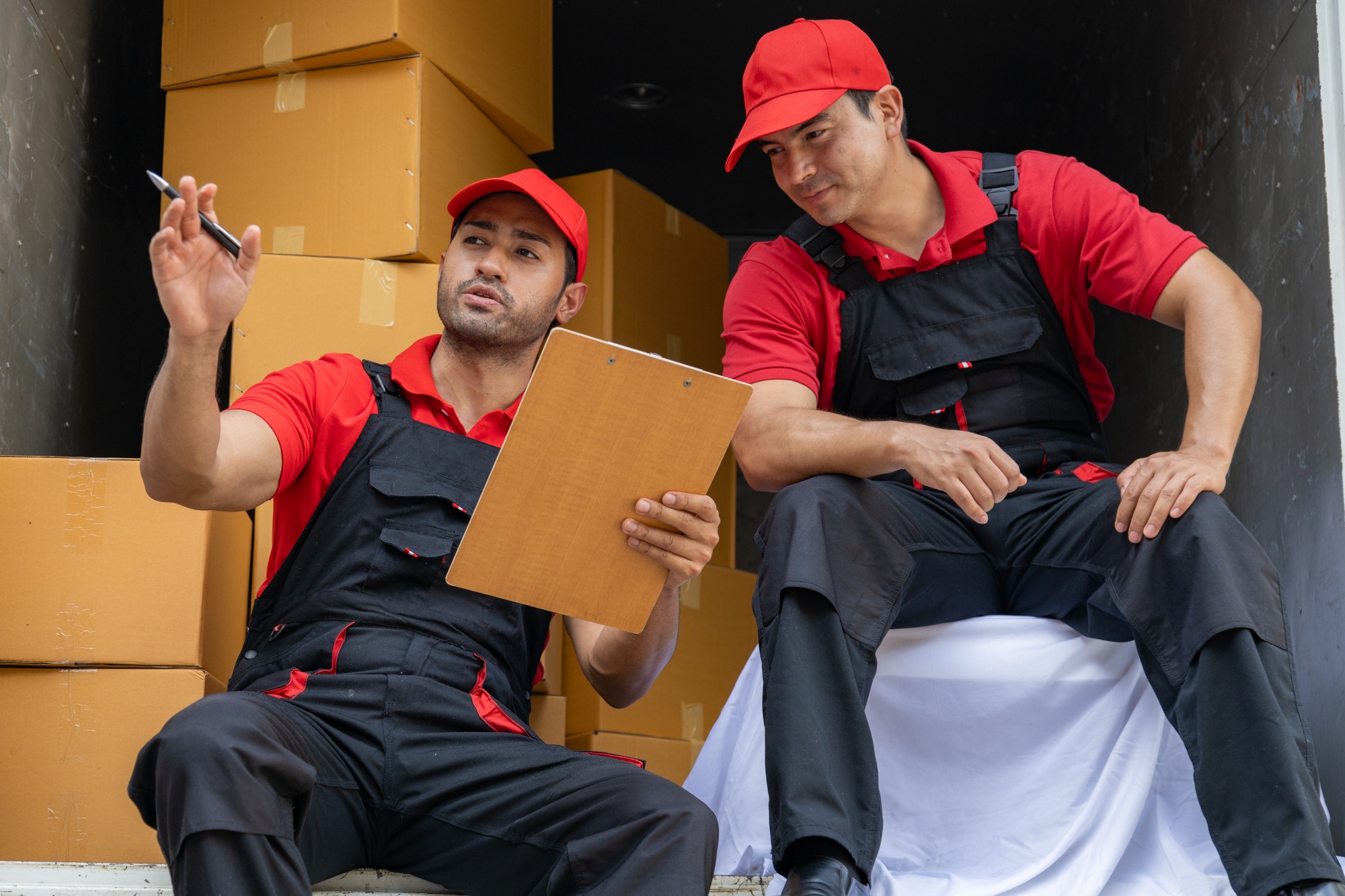
While DIY packing can save money, it’s worth considering professional help when dealing with specialty items. Professional movers have the experience and tools to pack your fragile belongings securely. They can even offer custom crating for large or high-value items.
Hiring experts for packing can save time and reduce stress, knowing that your items will be handled with the utmost care.
Conclusion: Get Help From the Experts at Movers Inn
Packing specialty items requires careful planning, the right materials, and a little bit of know-how. While it may take some extra time and effort, it’s essential for protecting your belongings during the move. At Movers Inn, we specialize in providing tailored moving services that ensure your specialty items are packed safely and securely.
Whether you’re moving fragile antiques, valuable artwork, or electronics, we’re here to offer expert packing advice and services. Reach out to us today and let us take the stress out of your move, helping you follow the best practice for packing specialty items to ensure a smooth and safe relocation.