





Storing furniture can be a daunting task, especially if you’re unsure about the proper methods. Whether you’re downsizing, renovating, or relocating, following the best practices for storing furniture ensures that your items remain in excellent condition. With the right preparation and storage solutions, you can protect your investment and avoid unnecessary damage.
If you’re exploring furniture storage solutions, it’s also helpful to know how to manage seasonal items effectively. Check out our guide on seasonal storage tips for practical advice on organizing and storing items based on the changing seasons. In this guide, we’ll walk you through everything you need to know to safely store your furniture, saving you time, effort, and money.
Why Following the Best Practices for Storing Furniture Matters
Furniture is often a significant investment. From antique heirlooms to modern pieces, improper storage can lead to wear, warping, or even irreparable damage. By understanding and applying the best practices for storing furniture, you can:
- Extend the lifespan of your furniture.
- Prevent costly repairs or replacements.
- Ensure your items look just as good when retrieved from storage.
Proper storage is essential, whether you’re using a rented unit or temporarily keeping furniture at home.
Preparation: The First Step in Storing Furniture
Before storing furniture, cleaning is crucial to prevent mold, mildew, and odors. Use appropriate cleaning solutions for each material:
- Wooden furniture: Wipe down with a gentle cleaner and polish.
- Upholstery: Vacuum thoroughly and use a fabric-safe cleaner for stains.
- Leather: Condition the leather to prevent cracking during storage.
Dust and dirt left on furniture can degrade its surface over time, so this step is non-negotiable in the best practices for storing furniture. Large furniture like beds, tables, and wardrobes can be challenging to store intact. Disassemble these items wherever possible to save space and reduce the risk of damage.
- Keep screws, bolts, and other small parts in labeled plastic bags.
- Wrap individual pieces in padding or bubble wrap for extra protection.
Taking furniture apart makes it easier to manage and is one of the best practices for storing furniture to minimize damage.
Choosing the Right Storage Environment
Temperature and humidity fluctuations can wreak havoc on furniture, causing wood to warp and fabric to fade. When storing furniture long-term, consider using a climate-controlled unit to maintain stable conditions.
A climate-controlled unit is especially important for:
- Wooden furniture
- Upholstered pieces
- Electronics attached to furniture
Investing in a suitable storage environment is a cornerstone of the best practices for storing furniture. Never place furniture directly on the ground, even in a storage unit. Elevate your items using wooden pallets or plastic risers. This practice protects against:
- Moisture seepage
- Pest infestations
- Dirt accumulation
It’s a simple yet highly effective way to safeguard your furniture, underscoring its importance in the best practices for storing furniture.
Packing Furniture Like a Pro
Use Proper Covers
Furniture storage requires appropriate coverings to protect against dust and scratches. Avoid using plastic, as it can trap moisture and cause mold. Instead, opt for:
- Cotton sheets
- Furniture blankets
- Breathable covers
Covering furniture correctly aligns with the best practices for storing furniture, ensuring your items remain pristine.
Don’t Overpack Your Storage Space
While it might be tempting to maximize space by cramming everything together, this can lead to scratches, dents, and breakage. Leave enough room to:
- Allow air circulation.
- Access items easily without rearranging everything.
Moving Furniture to Storage: Tips for Safe Transport
Lift, Don’t Drag
Dragging furniture can damage both the piece and your floors. Use dollies or enlist help to lift heavy items safely. If possible, disassemble larger items before transport to make them easier to handle.
Wrap Fragile Items Securely
Glass tabletops, mirrors, and other fragile items need special care. Use bubble wrap or foam padding and secure them with tape. Clearly label these items as fragile to ensure extra caution is taken.
Careful transport is just as critical as storage itself in following the best practices for storing furniture.
Regular Maintenance While Furniture is in Storage
Even when furniture is properly stored, periodic checks are essential to ensure its condition remains unchanged. Inspect for:
- Signs of moisture or mold.
- Pest activity.
- Damage from improper stacking.
Regular maintenance is a vital step in the best practices for storing furniture, especially if your items are stored long-term.
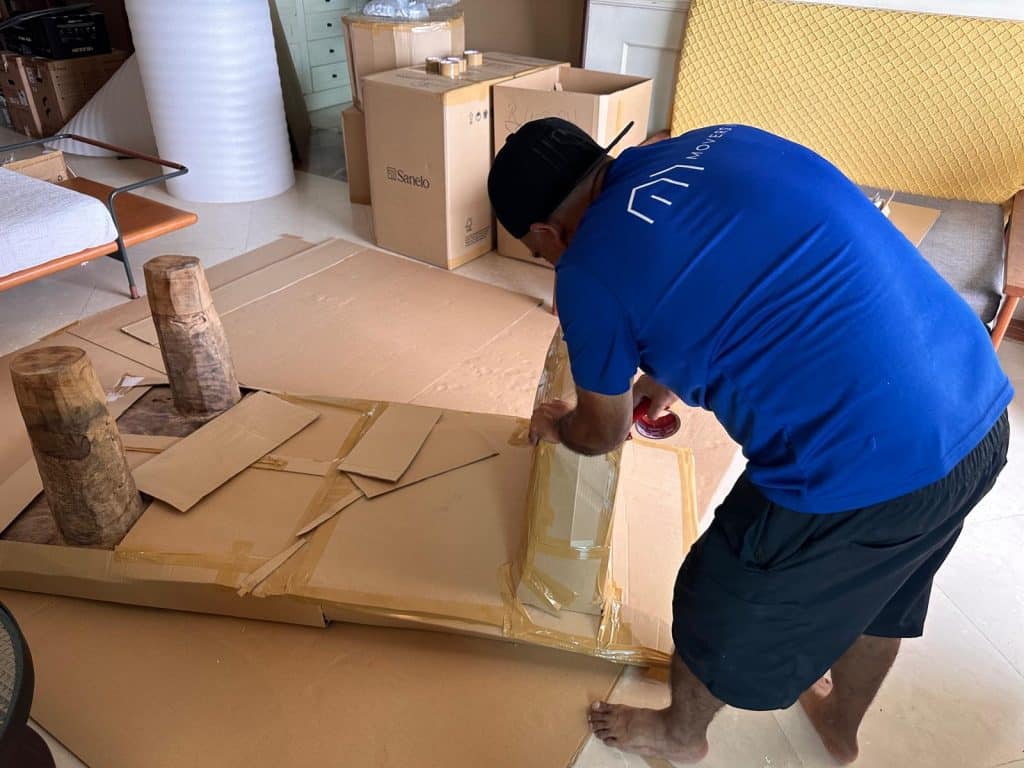
Why Movers Inn is Your Trusted Partner for Storing Furniture
Storing furniture correctly requires time, effort, and expertise. At Movers Inn, we specialize in providing professional storage solutions tailored to your needs. Our facilities are designed to uphold the best practices for storing furniture, offering climate-controlled units and exceptional security to safeguard your belongings.
Whether you’re storing a single piece or an entire household, Movers Inn ensures a hassle-free experience. Visit Movers Inn to learn more about our storage services and take the first step toward stress-free furniture storage!
By following these best practices for storing furniture, you’ll ensure your items remain in excellent condition until you need them again. With proper preparation and care, your furniture will continue to serve you for years to come.