


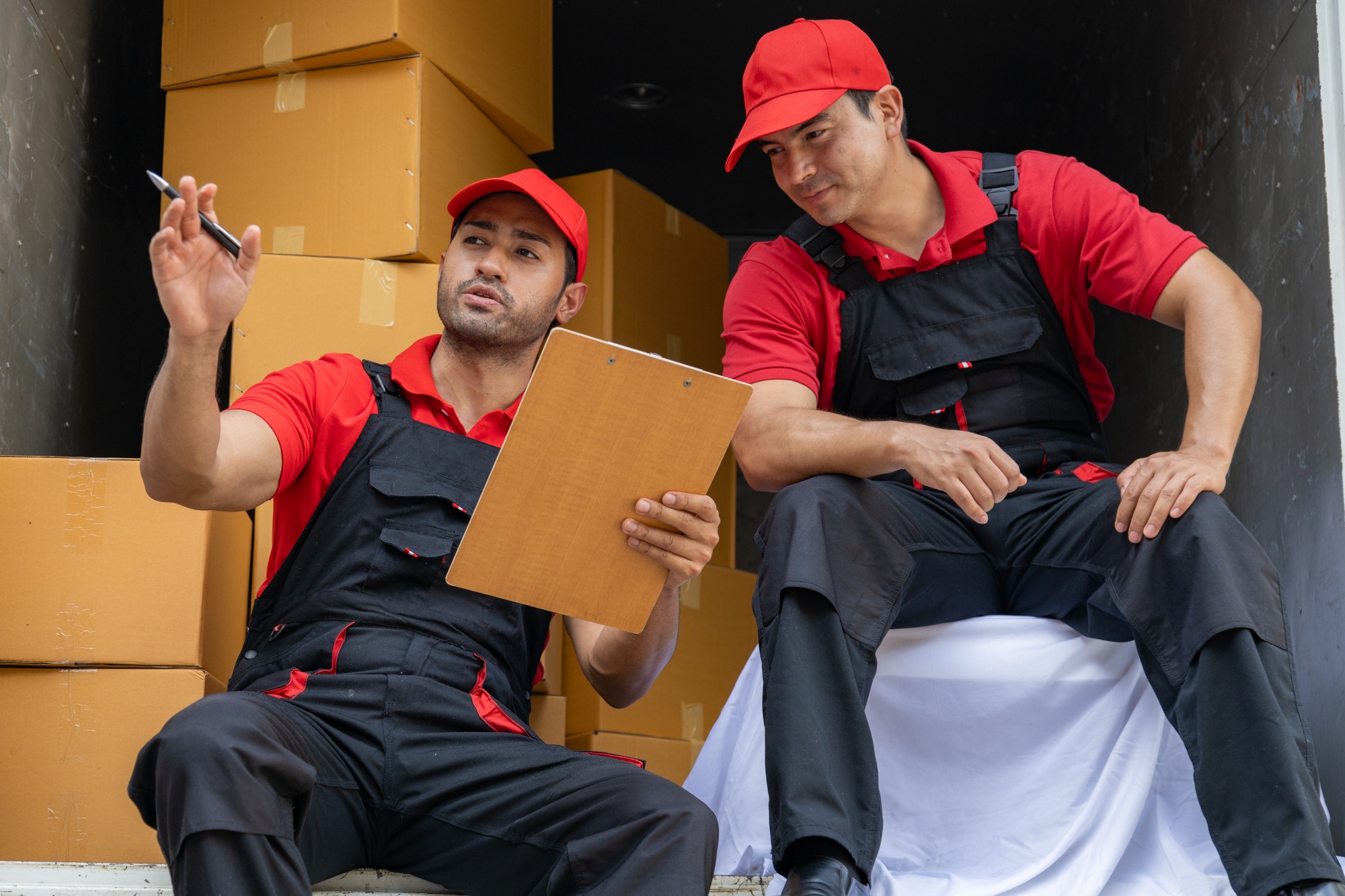


Guide to Packing Overseas: Tips for a Smooth Transition
Moving internationally can feel overwhelming, but the right approach can make it manageable. As you prepare to pack for an overseas move, it’s essential to not only organize your items effectively but also label them clearly for easier unpacking. To help with this step, our guide on the best practices for labeling your belongings can ensure a smooth and efficient process. This guide to packing overseas will help simplify the process, offering valuable tips and insights to make your relocation as smooth as possible.
Why Packing for Overseas Moves Requires Extra Attention
Moving abroad is different from a local move. You’ll need to consider shipping times, customs regulations, and more. Taking time to plan and follow this guide to packing overseas can ensure that your belongings arrive safely and on time.
1. Start Early to Avoid Last-Minute Stress
Packing early is crucial when following a guide to packing overseas. Begin by organizing items by importance—consider what you’ll need immediately upon arrival and what can wait. Starting early reduces the stress of last-minute packing and allows you to handle unexpected obstacles that may arise, making the entire overseas move far more manageable.
2. Declutter and Prioritize Essentials
Moving is the perfect opportunity to get rid of things you don’t need. Overseas moves are often priced by weight or volume, so only pack what’s truly essential. Make a list of the items you use frequently, and avoid packing items that can be easily replaced in your new country. Decluttering now will make unpacking simpler.
3. Choose the Right Packing Materials
Using the correct materials is essential for protecting your belongings during a long journey. Strong cardboard boxes, bubble wrap, and protective padding can prevent damage. Here’s a quick packing materials checklist:
- Heavy-duty boxes: For fragile and valuable items.
- Bubble wrap: For delicate pieces.
- Packing paper: To fill in gaps and cushion items.
- Plastic bins: Great for clothes and non-breakable items.
Using quality packing supplies may cost a little more, but it’s worth it to ensure your belongings are protected.
4. Label Your Boxes Clearly
Labeling each box with its contents and destination room helps you stay organized and aligns with this essential guide to packing overseas. It will also make unpacking more efficient when you arrive. For overseas moves, consider adding your name and contact information to each box in case any items are delayed or misplaced.
5. Protect Fragile Items with Extra Care
For international moves, following a guide to packing overseas is crucial, especially when it comes to fragile items. Wrap each item individually with bubble wrap, use dividers for dishes, and ensure there’s ample padding to protect them. Clearly label boxes containing delicate items as “Fragile” and place them at the top of your moving boxes to minimize the risk of breakage during transit.
6. Pack a ‘Survival Kit’ for the First Few Days
When you arrive at your new destination, you may not have immediate access to all your belongings. Pack a small bag with essential items like toiletries, basic clothes, medication, and important documents. This “survival kit” will make your first few days more comfortable as you wait for the rest of your items to arrive.
7. Understand Customs Regulations
Every country has its own import restrictions and prohibited items list. Before you start packing, research the customs regulations in your destination country to avoid complications. This guide to packing overseas wouldn’t be complete without stressing the importance of customs compliance to avoid fines or delays.
8. Consider Hiring Professional Packers
Packing for an international move is challenging, especially if you have valuable or fragile items. Hiring professional movers with overseas experience can be a wise choice. Many companies offer services like inventory management, packing, and insurance, making your move as smooth as possible.
9. Make a Digital Inventory of Your Belongings
Creating a digital inventory of your items can be helpful for customs and insurance purposes. Take photos, make a list of each box’s contents, and keep records of any high-value items. This inventory will be a valuable reference if anything goes missing or is damaged in transit.
10. Final Checklist Before Departure
Before you set off, double-check that all boxes are sealed, labeled, and accounted for. Ensure that you have the necessary documents for customs, and confirm details with your movers. Taking these steps will make your overseas relocation a smoother, more organized process.

Conclusion
Following this comprehensive guide to packing overseas can greatly reduce the stress of moving internationally. To learn more about moving and packing services, visit MoversInn and let the experts handle your relocation needs efficiently and professionally.