


Settling In: How to Adapt to a New Neighborhood Without Stress
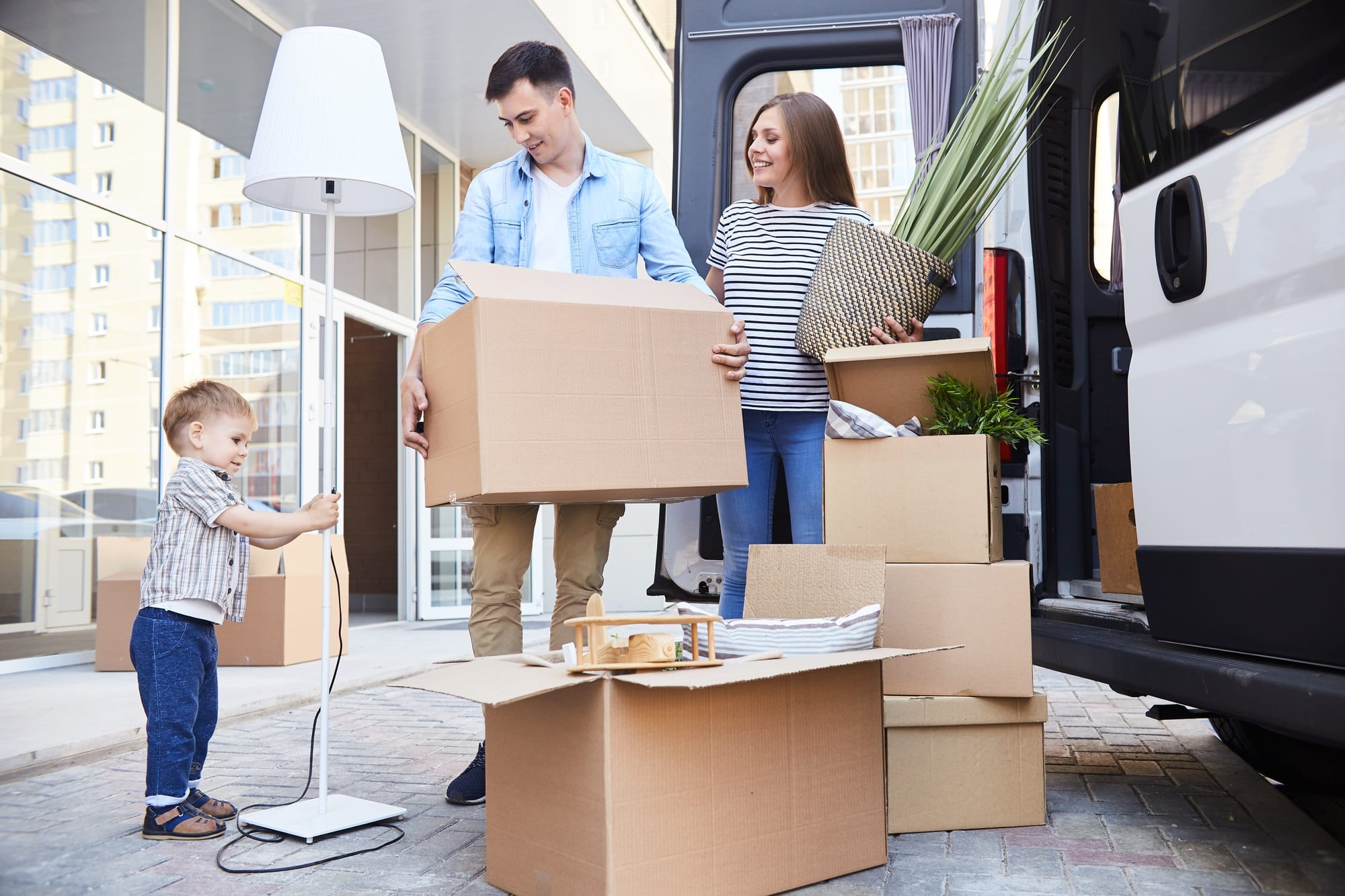
Moving to a new neighborhood can be an exciting yet overwhelming experience. We find ourselves navigating unfamiliar streets, meeting new neighbors, and adjusting to a different community culture. But with the right approach, this transition can be smooth and even enjoyable. In this guide, we’ll share practical strategies on how to adapt to a new neighborhood quickly and feel at home in your new surroundings.
Get to Know Your Surroundings
Explore Your Neighborhood on Foot
One of the best ways to adapt to a new neighborhood is by exploring it on foot. Walking allows us to familiarize ourselves with local shops, parks, and important landmarks. We can take note of nearby grocery stores, pharmacies, and restaurants that may become part of our daily routine. Understanding how to adapt to a new neighborhood means discovering the best routes and learning the unique character of the community.
Use Technology to Your Advantage
In today’s digital age, apps like Google Maps and Yelp make it easier than ever to discover local businesses, cafes, and entertainment spots. Checking out community forums and social media groups can also provide insights into local events and recommendations from long-time residents. Engaging online is another great step in how to adapt to a new neighborhood, as it allows us to get real-time information about what’s happening in the area.
Engage with Your Community
Introduce Yourself to Your Neighbors
A simple introduction can go a long way. Saying hello to the people next door or striking up a conversation at the local coffee shop helps create a sense of belonging. We never know when a neighbor might become a great friend or a helpful resource. One of the essential steps in how to adapt to a new neighborhood is making personal connections that enhance our daily life.
Attend Local Events and Gatherings
Many communities host events like farmers’ markets, festivals, and meetups. Attending these gatherings allows us to immerse ourselves in the local culture while meeting new people with shared interests. Learning how to adapt to a new neighborhood means embracing the social scene and participating in activities that make us feel at home.
Establish Daily Routines
Find Your Go-To Spots
From a favorite morning coffee shop to a preferred jogging route, establishing routines in a new neighborhood helps us feel more at home. We can try different places until we find the ones that best match our preferences. Knowing how to adapt to a new neighborhood means creating habits that bring a sense of normalcy and stability.
Join Local Clubs or Classes
Whether it’s a yoga class, a book club, or a volunteer group, joining community activities is an excellent way to meet people and create new connections. It also helps us build a sense of routine and normalcy in a new environment. Exploring various social groups is a great way to learn how to adapt to a new neighborhood more effectively.
Ensure Safety and Comfort
Get Familiar with Emergency Services
Knowing the locations of the nearest hospitals, police stations, and fire departments can provide peace of mind. We should save these emergency contacts in our phones in case of any unexpected situations. Safety is an important aspect of how to adapt to a new neighborhood, and being prepared helps us feel more secure.
Assess the Neighborhood’s Safety
Taking note of street lighting, pedestrian pathways, and general security measures can help us stay safe. Talking to locals or checking online safety reports is a great way to understand the neighborhood’s security level. Feeling safe is a significant factor in how to adapt to a new neighborhood, ensuring a smoother transition.
Stay Positive and Be Patient
Give Yourself Time to Adjust
Adapting to a new neighborhood doesn’t happen overnight. It’s important to be patient with ourselves as we settle in and embrace the learning process. Every move brings opportunities for growth and adventure. When figuring out how to adapt to a new neighborhood, taking time to ease into our surroundings can make all the difference.
Keep an Open Mind
Each neighborhood has its own personality, traditions, and culture. Keeping an open mind allows us to appreciate the uniqueness of our new community and make meaningful connections. Understanding how to adapt to a new neighborhood requires being open to new experiences and learning from the people around us.
Additional Strategies for a Smooth Transition
Personalizing Your New Home
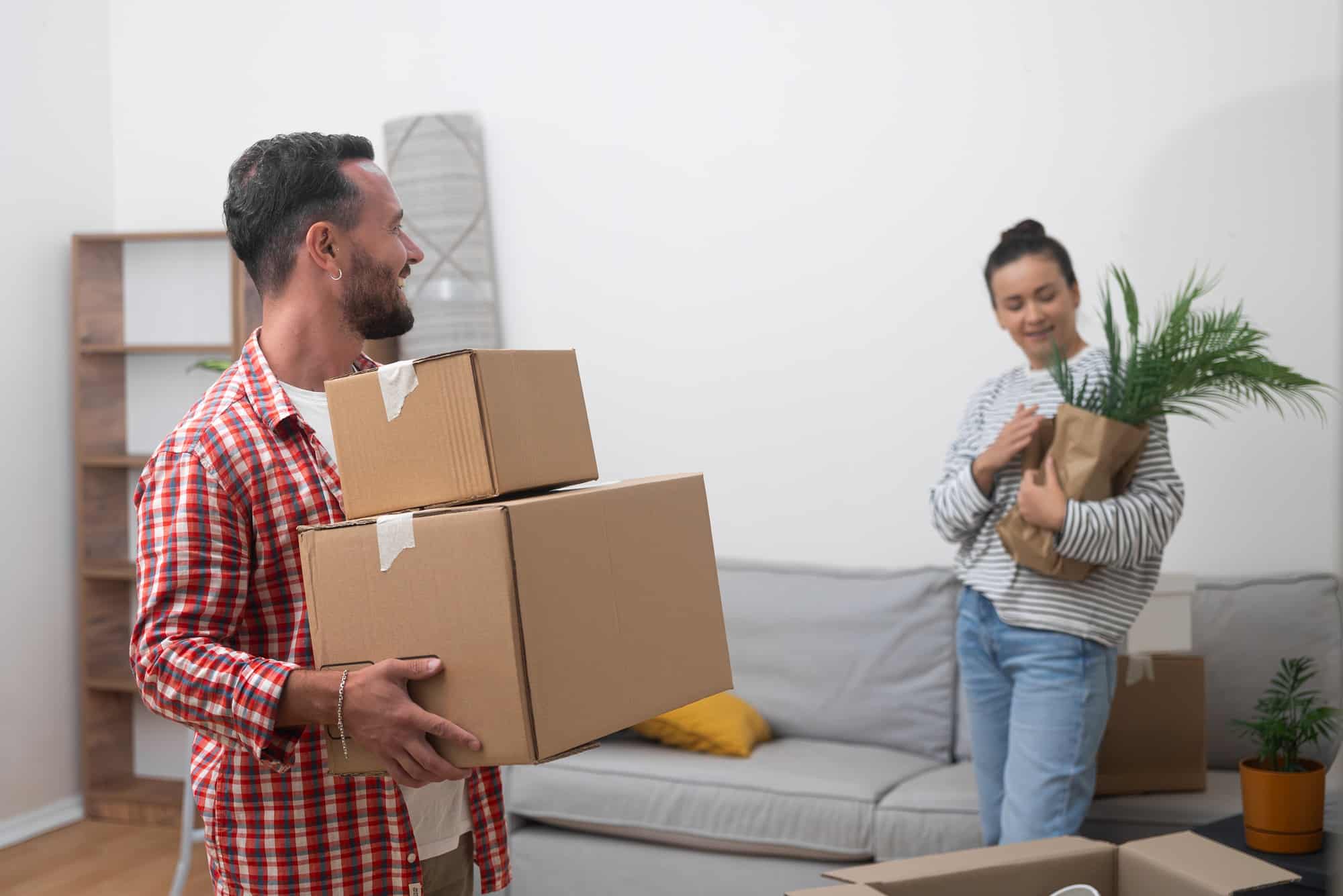
A big part of how to adapt to a new neighborhood is making our house feel like home. Unpacking and setting up familiar décor can create a comforting environment. Adding personal touches, such as family photos and favorite furniture pieces, helps us feel more settled.
Supporting Local Businesses
Getting to know local businesses and shopping at nearby stores strengthens our sense of community. Visiting farmers’ markets, trying out small cafes, and supporting family-run businesses are great ways to adapt to a new neighborhood while also contributing to its economy.
Commuting and Transportation
Learning the best commuting routes is an essential part of how to adapt to a new neighborhood. We should explore public transportation options, traffic patterns, and alternative routes to make daily travel easier. Becoming familiar with different transit options ensures a smoother experience when navigating our new surroundings.
Volunteering and Giving Back
Giving back to the community is one of the most fulfilling ways to adapt to a new neighborhood. Volunteering at shelters, participating in charity events, or joining local organizations fosters a deep connection with the area while helping those in need.
Developing a Long-Term Mindset
Lastly, we should embrace a long-term mindset when learning how to adapt to a new neighborhood. Even if our stay is temporary, treating it as a home rather than a short-term stop makes the transition more meaningful and enjoyable.
Conclusion
Adapting to a new neighborhood takes time, effort, and a positive mindset, but it’s an experience that can be incredibly rewarding. By exploring the area, engaging with the community, and establishing routines, we can make our new place feel like home in no time. For more moving tips and professional assistance, visit our website at Movers Inn and make your transition smoother than ever!